


by Sharon Hanzik, PWL Member
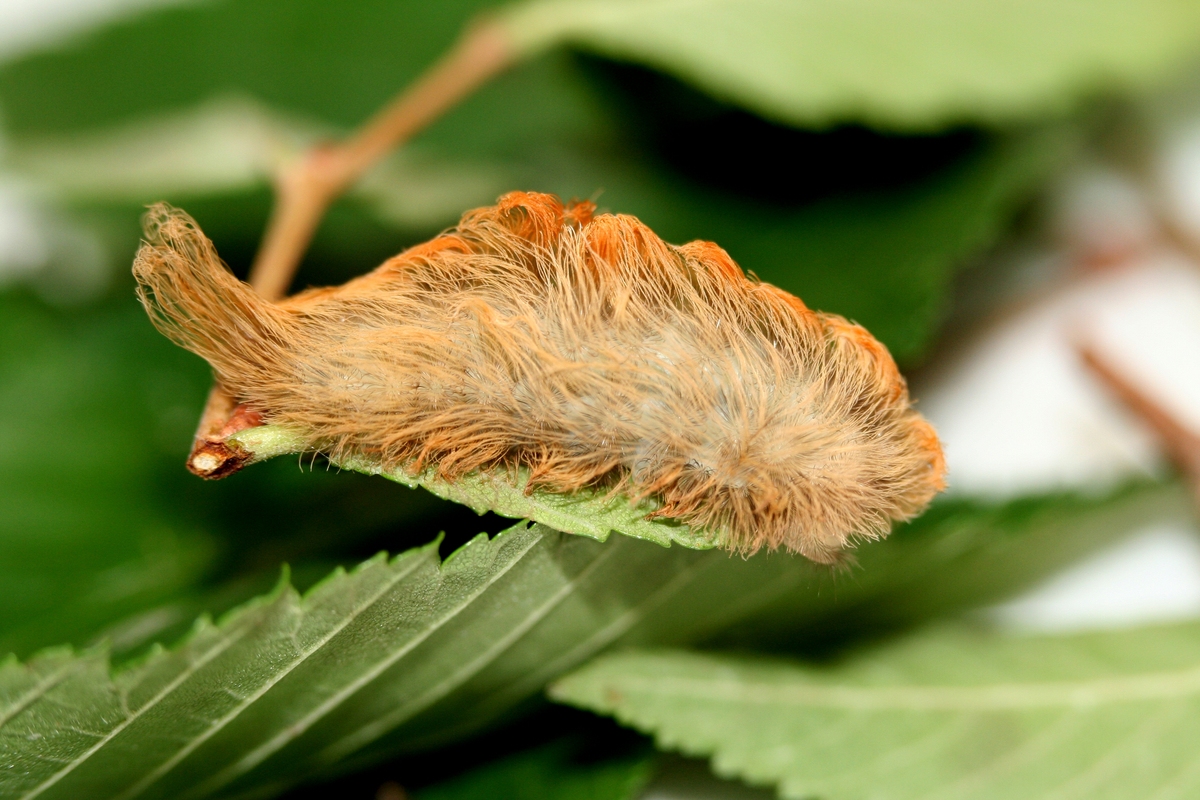
If you’ve ever experienced the sting of North America’s most venomous caterpillar, you understand the title of this article. It was a mild Fall day. I was living in a rural environment in Fort Bend County where Live Oak Trees are the predominant oak species. I was enjoying a day with my five-year-old great nephew. We had trekked down a gravel road on the property that wound through forest and pasture, he on his bicycle and I walking my dog. We were having a great time! On our way back we took a shortcut, as we were hungry and ready for lunch. We needed to climb a rail fence. He went over and I reached to haul his bicycle over the top. As I pulled back my arm I felt hell-fire on the inside of my upper arm. I knew immediately that I had made full contact with an Asp, properly known as the Puss Caterpillar. Growing up along the Gulf Coast, I was definitely familiar with this species, having even been stung a time or two, each time on the tougher skin of my fingers. As I had made full contact with every venomous spine on its wretched little body, I knew I needed to act quickly, so we rushed back to the house. I called my mother to let her know what happened, just in case I needed emergency assistance. I was already feeling a bit on the woozy side. I removed any loose hairs and spines, took a benadryl and used an ice pack. I never let my nephew know how badly I hurt. I gave him a banana, put on Fantasia and he remained distracted. All turned out ok. I did end up with a caterpillar-shaped scar for months and this cautionary tale.
The Southern Flannel Moth is the adult version of this particular caterpillar. It is cute, fuzzy and harmless but produces a dangerous offspring found along the Texas Coast and into Mexico. The caterpillar is considered polyphagous, meaning that it dines on a wide variety of species including oaks, elms, maples and willows as well as common garden plants such as roses and hibiscus. Its nickname “Asp” refers to its potent, venom-like sting. Its proper name, Puss Caterpillar, refers to its fluffy pussycat-like appearance. But as they say “kittens have claws”. The scientific name of the moth is also interesting. Megalopyge (large rump) opercularis (covered) refers to its robust, fluffy appearance, although the moth is quite small.

The caterpillars seem to be most prevalent in the late summer-early fall. Be on high alert. If stung, remember to first try and remove any spines. Use hydrocortisone cream or make a baking soda and water paste and apply to the area. An ice pack will help numb the pain. An antihistamine can also help. If symptoms are worse, such as nausea, chest pain or dizziness, do seek emergency medical attention.