
 As we kick off the New Year, our chapter has a full roster of officers, committee chairs, appointees and active members—we’re loaded for bear!
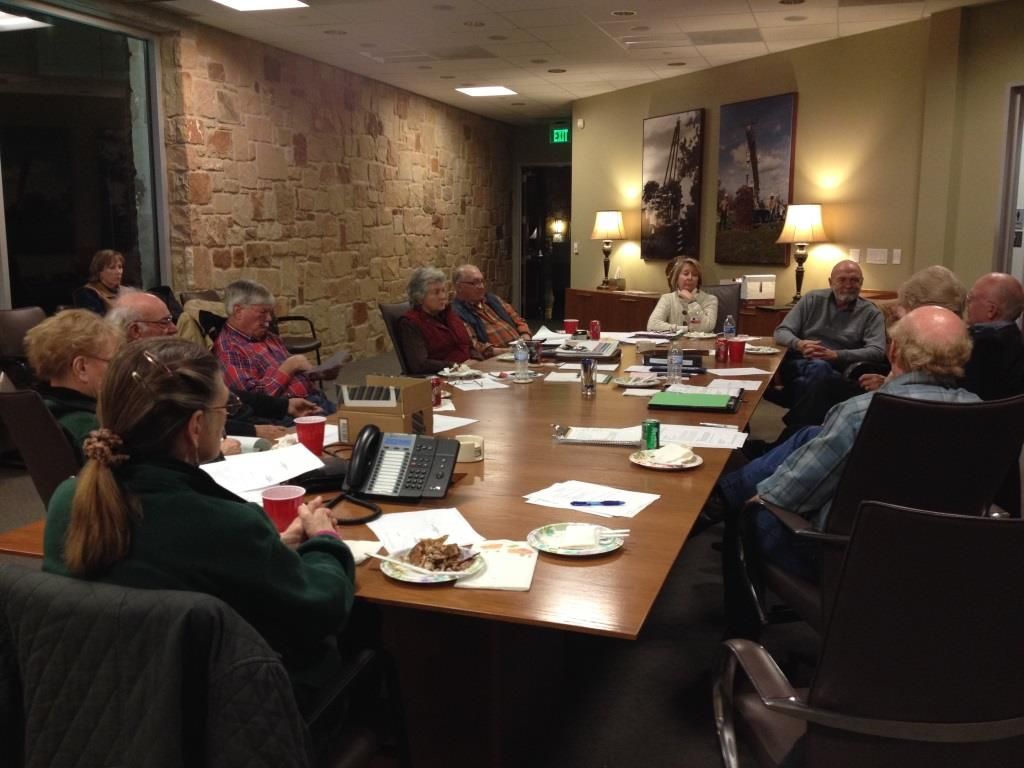
No time has been wasted in plunging into the thick of things. Rick Gast and his bevy of hunter/killers were on the ground at Buescher State Park on January 6th doing battle with the front line of invasive plants. The next day, the Bridge Maniacs removed dead pines strewn across the trails in Bastrop State Park. January 8th saw the first Board of Directors meeting and an aggressive agenda for 2015 was unfurled. It was an active meeting, to say the least. If you have only just now begun to stir from your holiday-induced stupor, fasten your seatbelts.
We have 27 new recruits for the 2015 training class and six months of planning is about to officially launch on February 2nd. This doesn’t just involve the Training Committee. Our second iteration of our first ever mentor program will be rolled out; if you’re involved, brace yourself for engagement. This will be 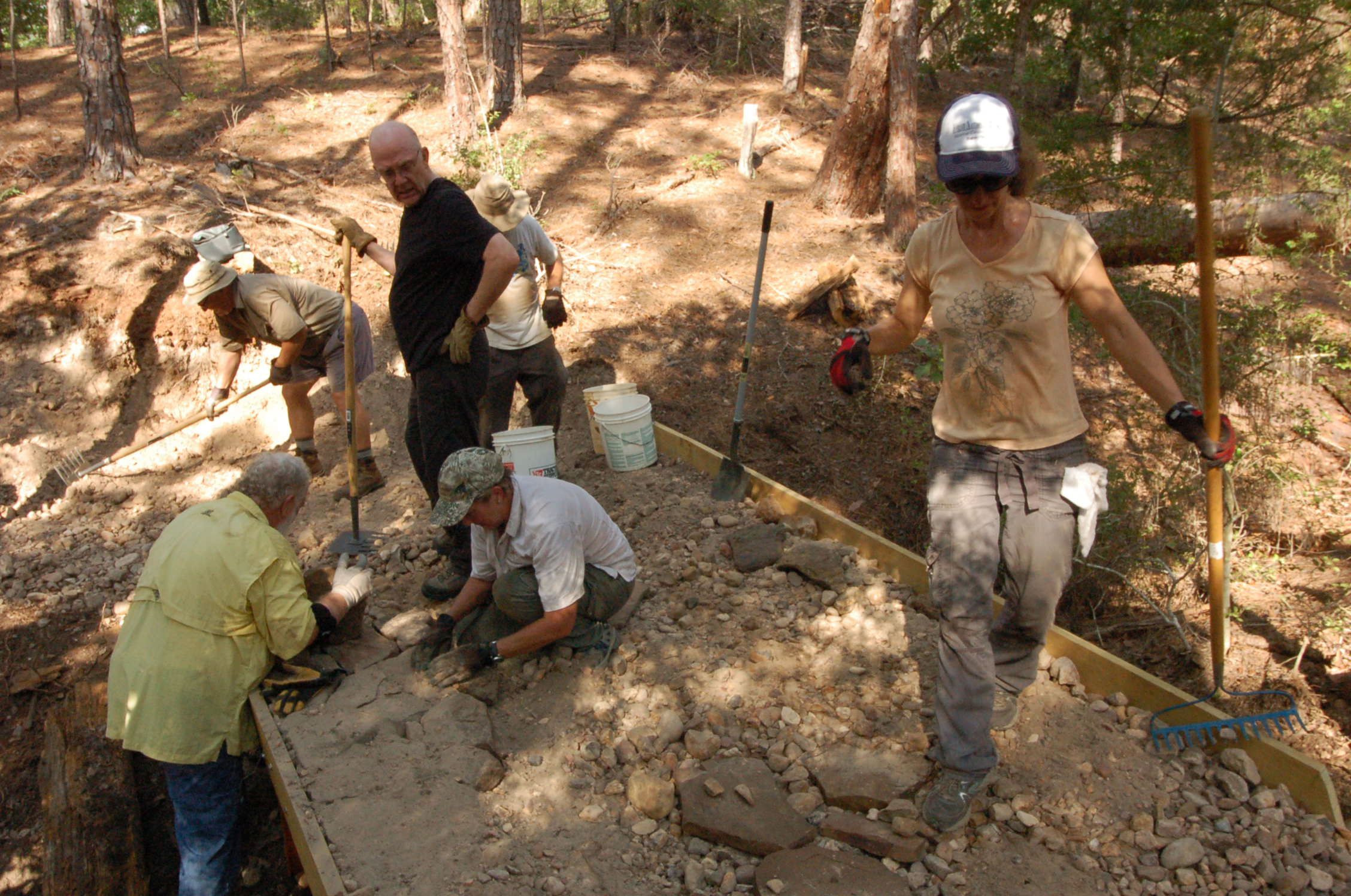 the first class challenged to certify by December 31st and they’ll be charged to begin volunteering from the get-go! That means they’re going to need lots of guidance, encouragement and help from those who already know the ropes.
You gotta keep your eyes on Meet-Up, as there’s a lot out there for you in 2015, as well as some big possibilities that could open fantastic new opportunities (more on those to follow). I’ve already alluded to the Invasive Plants initiative, a small group of regular volunteers who scour our state parks for chinaberry and other nasties. They generally work on Tuesdays, but check out Meet-Up to keep up with the specifics. Of course we have the Bridge Maniacs, a mercurial gang of nut cases who pursue trail and environmental work, mostly in the state parks of Bastrop and Caldwell Counties. Despite the name, you don’t have to know anything about bridges, but it does help if you’re a touch crazy. These guys and gals generally work on Wednesdays.
Although we don’t yet have a suitable name for the group, Frank May and his band of property wardens can be found at the Lost Pines Nature Trails (LPNT) and the Colorado River Refuge (CRR) most Monday mornings. They keep the place picked up, over 6 miles of trails mowed and facilities maintained to a high standard.
Another LPMN volunteer action group can usually be found at the LPNT on selected Thursdays—a dedicated group of naturalists who teach nature classes to home schooled children. The program is sponsored by the Pines and Prairies Land Trust, but its run by Master Naturalists. You don’t need to be a professional educator, you just need to enjoy helping smart kids appreciate the outdoors, and they are looking for a few new volunteers. Classes are held in the spring and fall (currently the program is gearing up for the spring curriculum). If interested, contact Louise Ridlon or Bill Brooks, you’ll be glad you did.
In a similar vein, the Lockhart ISD 5th grade class spends half a day in the spring and fall at Lockhart State Park to learn about the outdoors and hone their nature skills. This program, although hosted by the park, is also completely executed by LPMNs. Volunteers are always needed and it’s a fun way to accumulate hours. Dates will be posted on Meet-Up, so put it on your radar and keep your calendar open. If this catches your fancy, contact Rick Johnson or Jim Estes now. 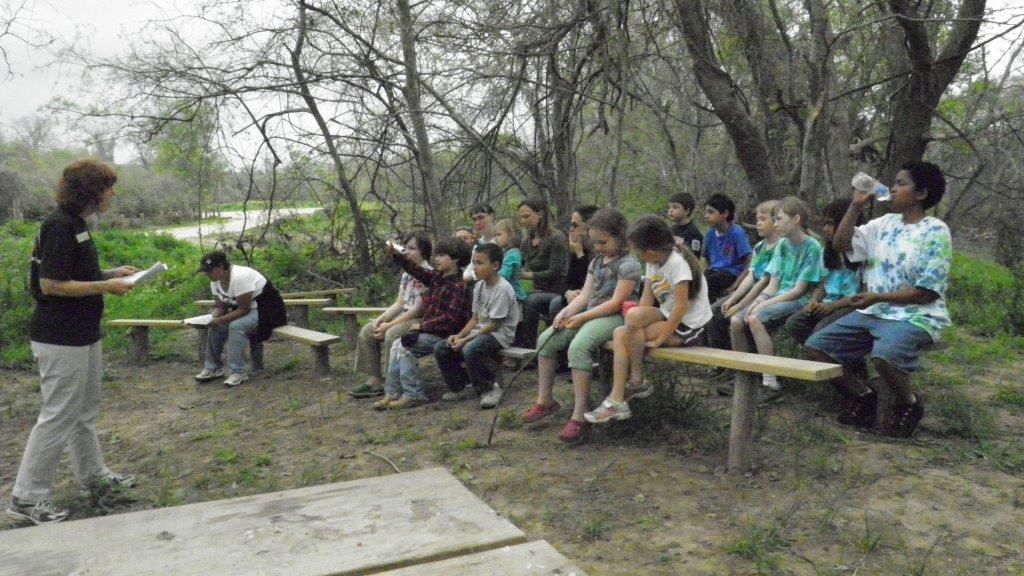
Sharing your knowledge of nature with children is one of the most fulfilling experiences—also one of the most impactful. Debbie Gaston leads a small group of naturalists at the Neidig Elementary School in Elgin. They teach children how to grow and care for native plants, appreciate butterflies and birds and open their eyes to the wonders of nature. This program is in its infancy and more volunteers are welcome. Why don’t you consider stopping by?
If you’re into the more adult pursuits of outdoor learning, don’t overlook our specialty Interest Groups. Ronnie Lanier & Cat May lead the Bug Group, Carroll Moore directs activities of the Bird Group and Liz Pullman oversees a very popular Plants Group. These groups focus energy on “learning by doing,” most often in a field environment, on the subjects implied by their names. Get outdoors this spring and get involved. Meeting dates/times vary, so the best way to hook up is to contact group leaders directly.
For those of you with a flair for interaction with the general public, our interpretative hike group leads public hikes at Buescher, Bastrop and Lockhart State Parks in the fall (Oct-Dec) and spring (Mar-Jun). There will be specific training offered for each location as well as advanced training opportunities related to interpretation. . .we have a need for assistant hike leaders as well, so if this idea floats your boat, 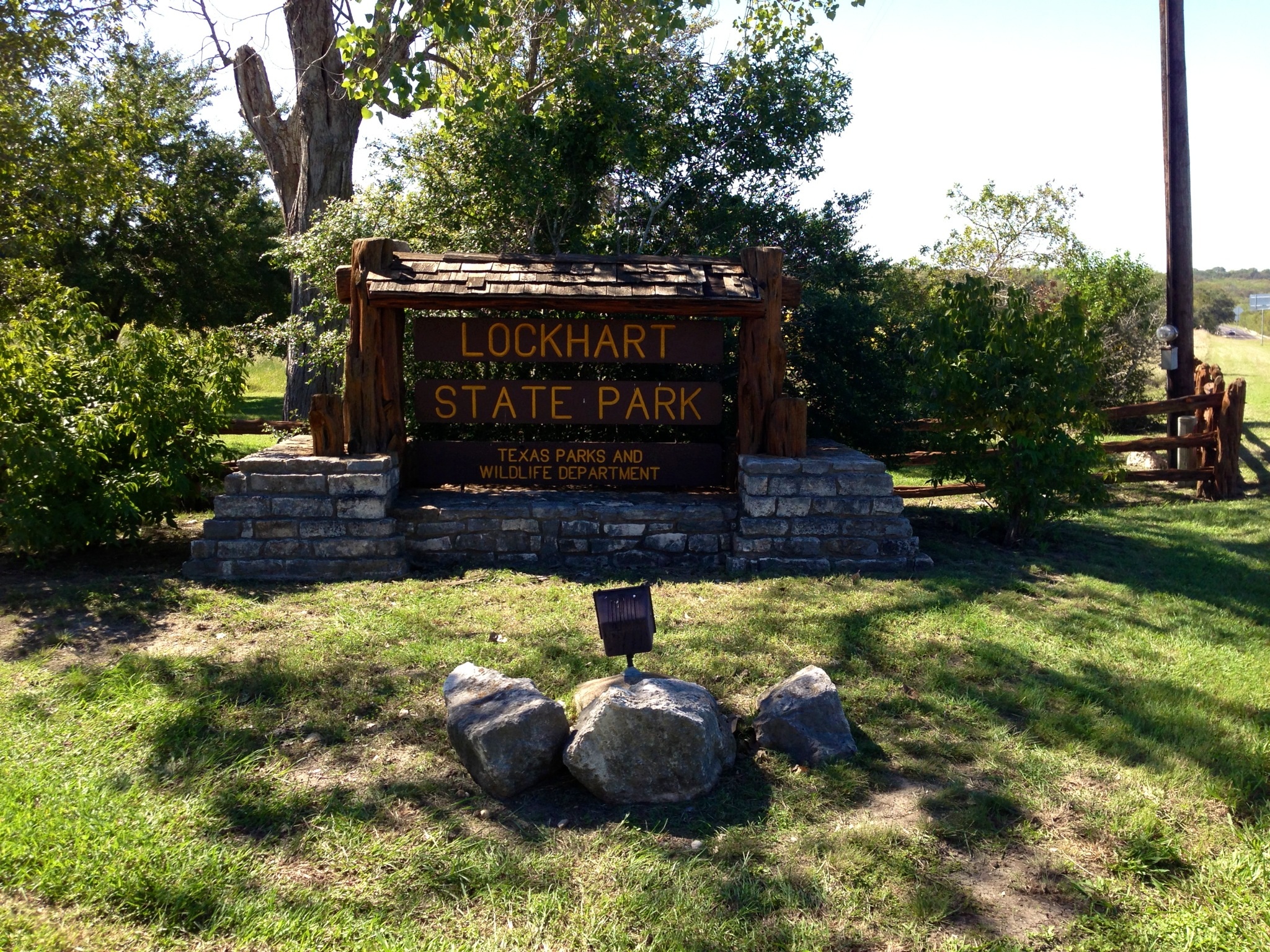 contact Larry Gfeller for details.
Our relationship with McKinney Roughs Nature Park has been unpredictable and rather loose in recent years—that’s about to change. Louise Ridlon is your contact for all things McKinney Roughs, and she has quite a slate of activities lined up. Two interpretative hikes per month are planned, establishment of a native grass/plant/multi-ecoregion soils garden is in the works, periodic bio-census surveys are on the docket and numerous gardening and maintenance volunteer tasks are available at the park as well. We hope to grow our relationship with this local treasure in 2015—if you are interested in the science of bio-diversity and regional differences, this is your best ticket.
Reporting and tracking volunteer hours has been a source of irksome difficulty and confusion for LPMN members from day one. It is, however, THE big payoff for the program statewide and our local chapter as well. . .it carries funding implications and, thus, impacts our volunteer opportunities—our very purpose for being. We MUST do this right for our own organizational good. Sometime in 2015 we expect our chapter to convert to a direct reporting format, wherein individual members report their hours directly to the state organization by computer. It’s a monumental change and will require at least four LPMN members to pull off smoothly. Done well, it could eliminate a source of pain and standardize volunteer and advanced training guidelines across the state. There will be chapter training, so you want to be alert for it and make sure to attend. Two considerations: 1.) If you don’t now have an Internet connection, life is about to become more complicated. 2.) If you are interested in helping make this important transition happen, contact Joan Estes right away and let her know.
As you can plainly see, finding a way to express your inner naturalist will not be a problem in 2015. But there’s more. . .the new possibilities mentioned above also carry the promise of expanded choice. Our chapter president came on the scene in 2014 with a plethora of new ideas and programs, one of which was the establishment of a Junior Master Naturalist program. Well, 2015 looks like the year it will happen. The idea is to engage youngsters with nature at a level not normally available to them through other venues. The synergies with existing programs is huge and the need for volunteers to help organize and run it is there. Carol Aragon and Kelly Alecci are the sparkplugs tapped to put this program together, so if you like the idea of instilling your love of nature into the younger generations, this is a great opportunity.
The other potential big change that lurks out there relates to the chapter acquiring its own natural area, its own wild space to care for and improve. Details must, of necessity, be kept close to the vest as the effort progresses. There are, of course, no guarantees this will happen—this is a complex, careful and tenuous endeavor (not to mention, bold)—and if warranted, the chapter membership will control the final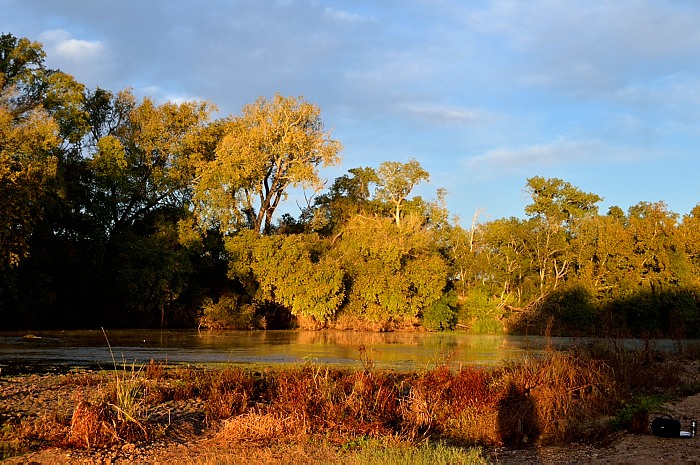 decision, you can be sure. However, the implications for LPMNs are significant, in terms of volunteer opportunities, environmental impact, and community outreach. It has been said that if your plans aren’t scary, they aren’t big enough!
It doesn’t matter if you work full-time or are retired, there will be no shortage of ways you can contribute to the mission of our LPMN chapter in 2015. As a chapter our reasons for existence can be counted on the fingers of one hand: 1.) to provide natural resource services, 2.) to improve public understanding, 3.) to enhance education and outreach, and 4.) to volunteer. There’s nothing in our charter that speaks to staying at home and watching from a distance. . .and there’s myriad ways to get involved. Don’t have time to learn something new? Well, hopefully you just did!