


Our October meeting is on October 26, 2026 and is in Fredericksburg at the St. Barnabas Episcopal Church, 601 West Creek Street, Fredericksburg.
Registration Link
If you want to attend via Zoom please pre-register by clicking the this link:
https://us02web.zoom.us/meeting/register/HzvCLDRDR6CjGsNmhcigAQ#/registration
Rethinking Riparian Restoration in the Hill Country
As we process the aftermath of the second devastating flood on the upper Guadalupe in two years, we are left with difficult questions: What comes next, and how do we restore riparian forests in this time of climate uncertainty?
The San Antonio Botanical Garden’s TREES Initiative is taking a long-term approach to these questions—one built around resilience, persistence, and community. By collecting seed from native populations along the Guadalupe, cultivating stress-conditioned seedlings, and rethinking how and where we plant, we hope to give young trees a better chance of surviving in a dynamic river system.
From seed collection and propagation to outplanting, aftercare, and monitoring, the goal is to learn from how wild plants survive in nature and apply those lessons to restoration. And because future floods are inevitable, this cannot be a one-time planting effort. We must be prepared to grow, plant, learn, and replant for years to come.
The TREES Initiative is working to restore diverse riparian forests in Kerr and Kendall counties using locally sourced bald cypress, Texas sycamore, willow, pecan, oak, and other native species—helping rebuild canopy shade, wildlife habitat, and stability along the river corridor.
That kind of sustained restoration requires a sustained community effort. Over the coming years, Hill Country Master Naturalists can play an important role by helping collect seed, plant trees, care for restoration sites, monitor survival, and share what we learn.
About Our Speaker
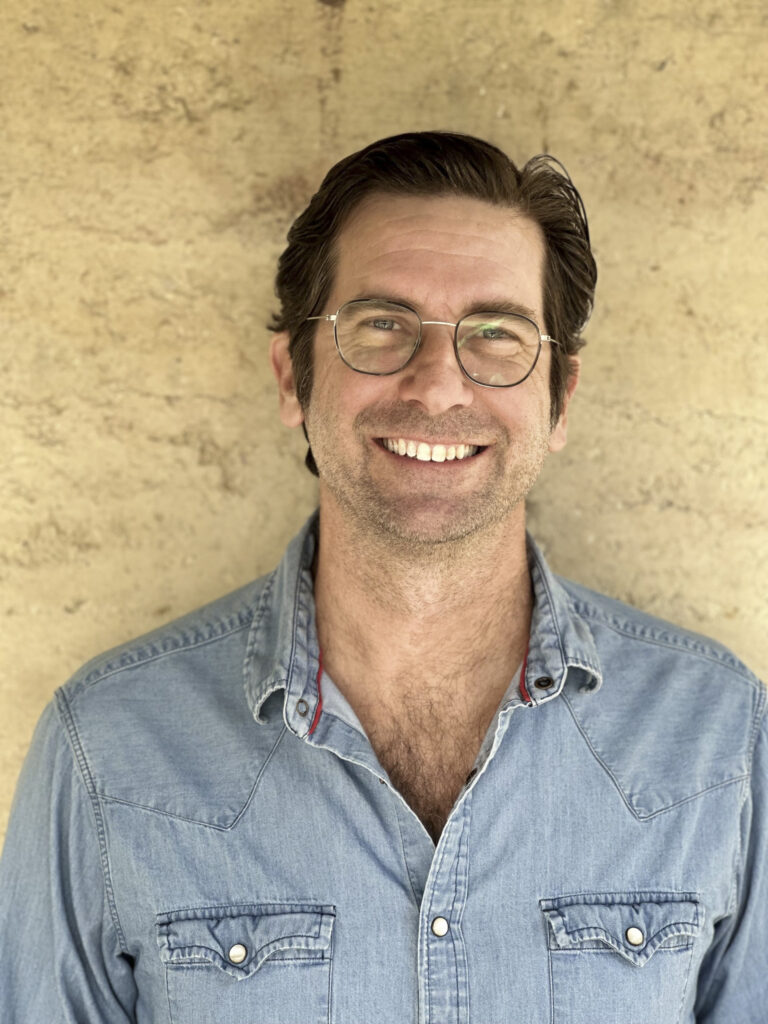
Matt Welch is the Conservation and Collections, San Antonio Botanical Garden.
Matt’s career in plants began over 30 years ago, working on his family’s peach orchard in northeast Texas. Later, he studied horticulture, forestry, and plant ecology at Stephen F. Austin State in Nacogdoches, TX, where he went on to become the first research associate at the Pineywoods Native Plant Center, a 40-acre garden and woodland on the SFA campus. Career opportunities in horticulture led Matt to Austin and the Hill Country, and for the last 7 years has served as Director of Agroecology and Conservation at Mirasol Springs, a conservation development and farm near Dripping Springs, TX. There he oversaw operations of a biointensive microfarm, developed a 200-acre grassland and woodland restoration plan and oversaw ecological monitoring efforts on the 2,000-acre ranch.
Today Matt happily runs the daily horticultural operations, volunteer recruitment and training, and landowner outreach effort of the TREES Initiative at the San Antonio Botanical Gardens.
*****************************************************************************************************
See here for information on past and upcoming Chapter AT.
Monthly Meetings
The Texas Master Naturalist, Hill Country Chapter meets monthly in-person and online via Zoom. Chapter Meetings are Open to the Public and held on the fourth Monday of each month from 6:30p-8:00p.
Each meeting opens with a social hour where light refreshments are served, followed by a short business meeting and a 1-hour Advanced Training session.
- 6:00p Social Hour
- 6:30p Chapter Business Meeting
- 7:00p Main Presentation
The public is invited and there is no charge to attend. Location of the meetings vary – see the various meeting places on this page. You may also attend by Zoom – use the link at the top of the page to pre-register.