
Archaeology in Liberty & Chambers Counties
What lies beneath our feet: a hands-on look at local archaeology, stewardship, and why context matters.
What Archaeology Really Is
Archaeology studies context, not treasure. Soil layers, artifact placement, and surrounding features help establish a timeline of human activity. When soil is removed too quickly, the information tied to that material can be lost permanently.
This is why archaeological stewardship focuses on careful observation, documentation, and preservation rather than collecting objects.

Our Local Archaeological Landscape
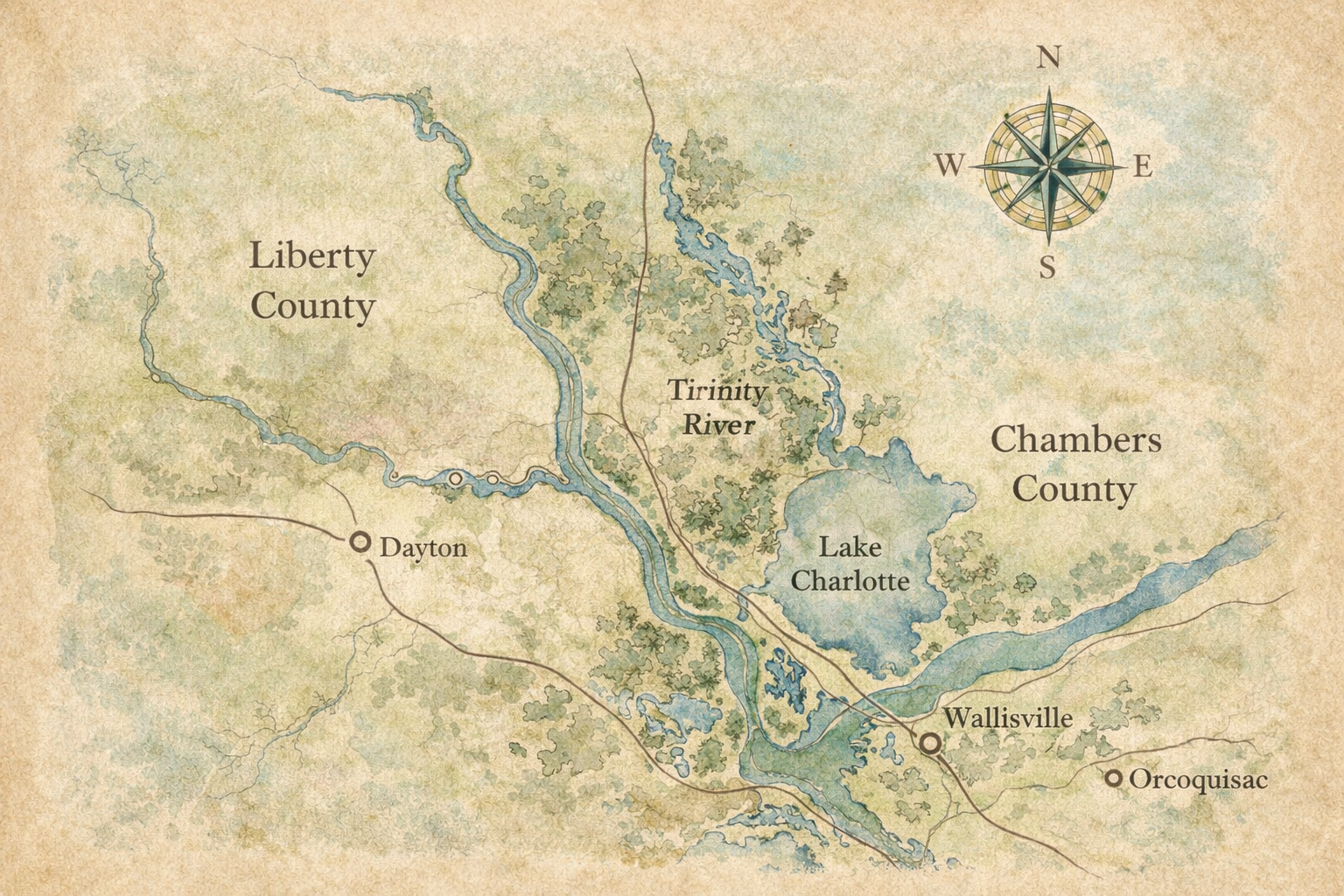
Liberty and Chambers Counties contain dozens of recorded archaeological sites representing thousands of years of human presence. Many known sites cluster near rivers, wetlands, and elevated ground.
These landscapes were attractive for settlement, travel, subsistence, and later colonial activity, making waterways especially important in the region’s archaeological record.
Jamison Site (41 LB 2)
A prehistoric midden site near Dayton in Liberty County, the Jamison Site was excavated from 1959 to 1961 by the Houston Archeological Society. The site showed evidence of long-term Native habitation and remains a useful example of mid-20th-century local archaeology.
El Orcoquisac
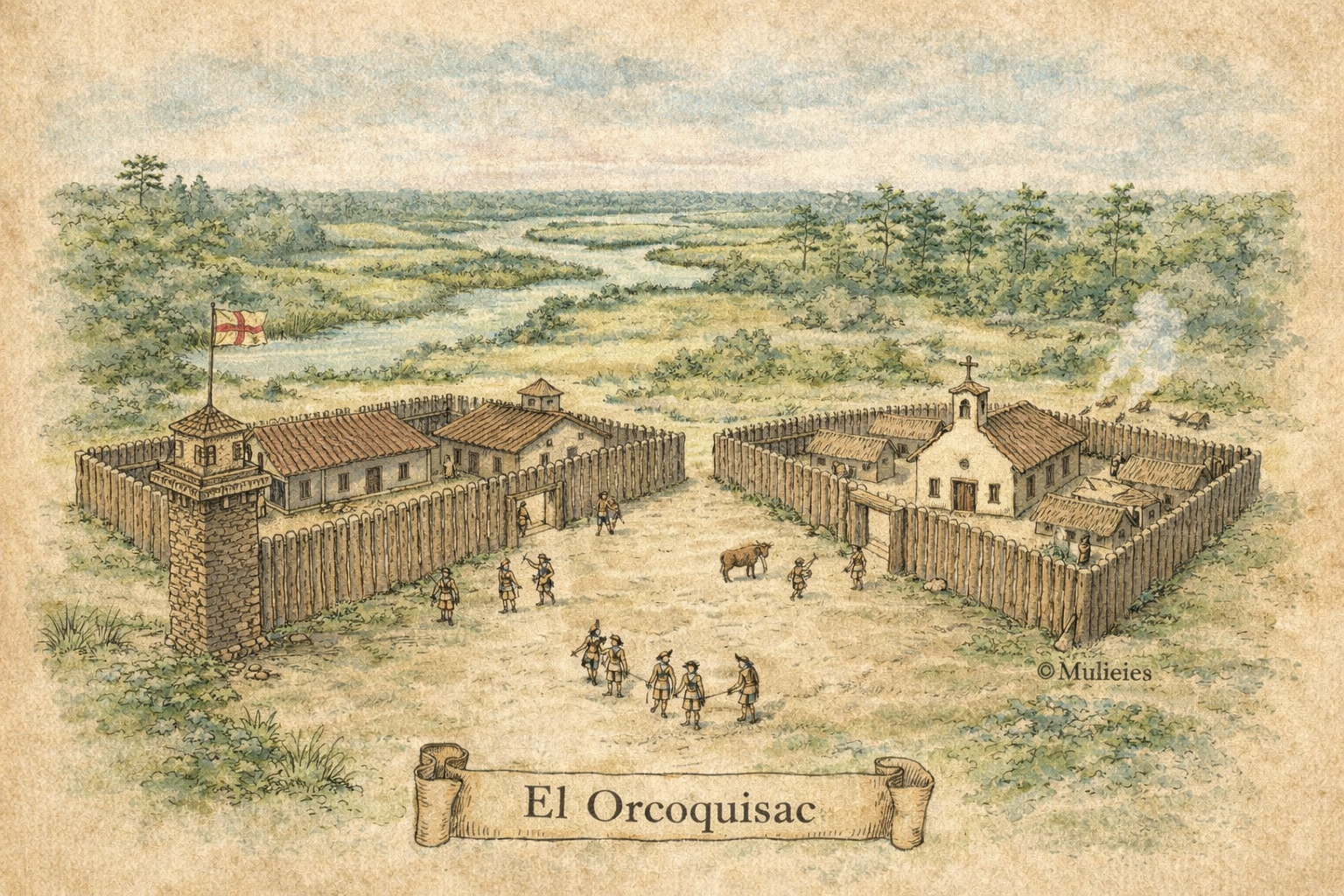
El Orcoquisac was a Spanish colonial outpost founded in the 1750s near the Trinity River to counter French influence. It included Presidio San Agustín de Ahumada and a mission tied to interactions with the Akokisa people. The outpost was abandoned by 1771, but the protected archaeological district still helps reveal part of early Texas colonial history.
Pronunciation: el or-ko-kee-SAHK. The accent falls on the final syllable.
About the name: “Orcoquisac” is the Spanish spelling of Akokisa, also rendered as Orcoquiza or Arkokisa, the name of the Atakapan-speaking people associated with the lower Trinity River region.
Other Known Sites in the Region
- El Orcoquisac / Wallisville area sites
- Trinity River floodplain sites
- Lake Charlotte area sites
- Shell middens and campsites along wetlands and waterways
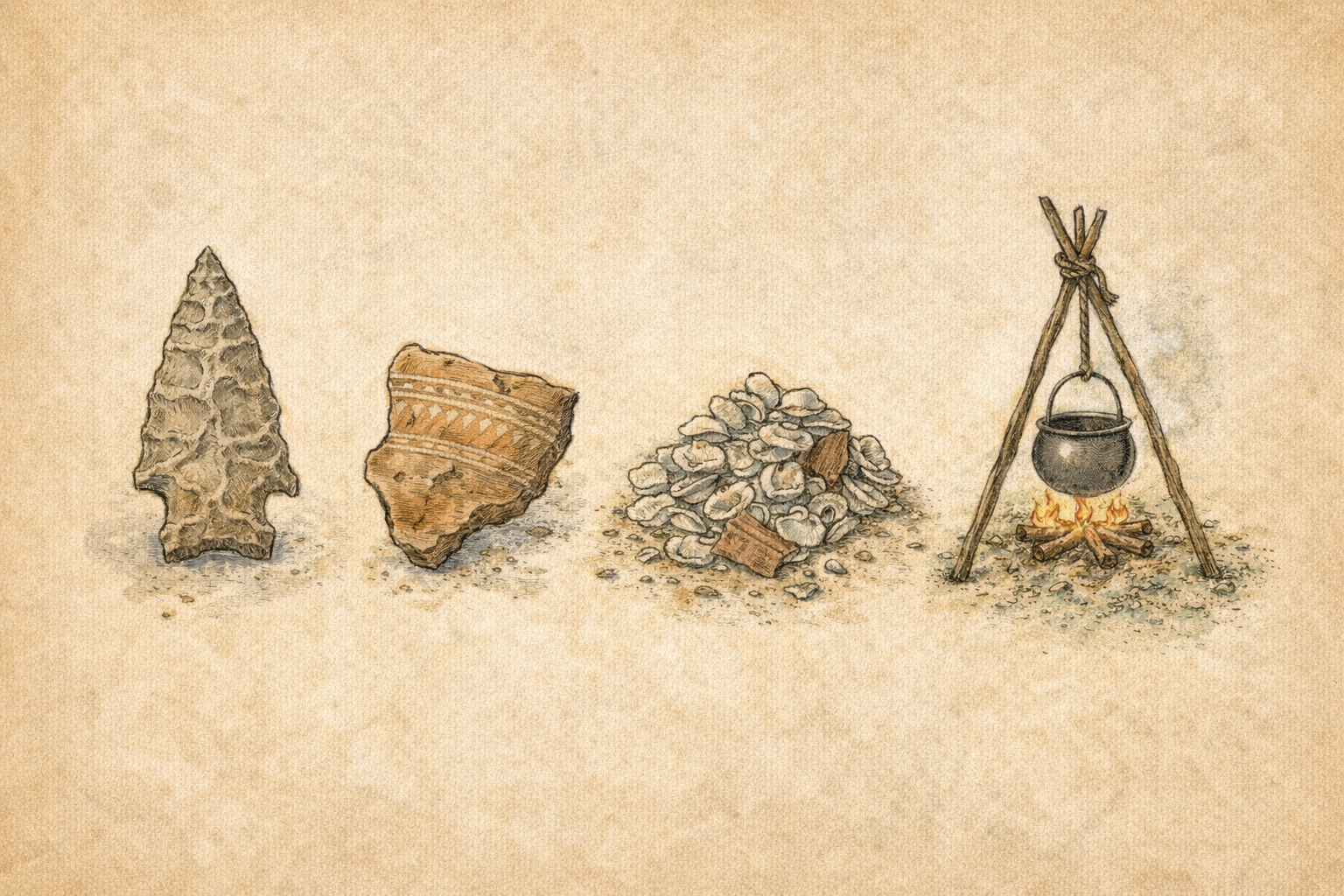
Site locations and full inventories are restricted to protect cultural resources.
Why Exact Numbers and Locations Are Not Public
- New sites are still being discovered and recorded.
- Many sites are located on private land.
- Public details are limited to reduce looting risk.
- The Texas Historical Commission helps manage and protect these resources.
Why This Matters to TMN Volunteers
Volunteers often work in habitats, trails, preserves, and public-facing spaces where cultural resources may be present. Knowing how to recognize possible archaeological materials and respond appropriately helps protect both the site and the story it preserves.
If You Encounter an Archaeological Site
Do not dig. Do not collect. Do not remove items.
Even small disturbances can damage context and reduce the scientific value of a site.
What To Do
- Stop work in the immediate area.
- Take photos or notes without disturbing the site.
- Record the general location and land ownership, if known.
- Contact the appropriate organization.
Who To Contact (Texas)
Use your chapter leadership, land manager, or project coordinator first when appropriate, then report through the proper state or local preservation channels.
Texas Historical Commission (THC) Archeology Division.
- For any archaeological site or artifact, contact the THC directly:
- Phone: 512.463.6096
- Email: [email protected] or [email protected]
- Website: www.thc.texas.gov
iDig – Recording Archaeology
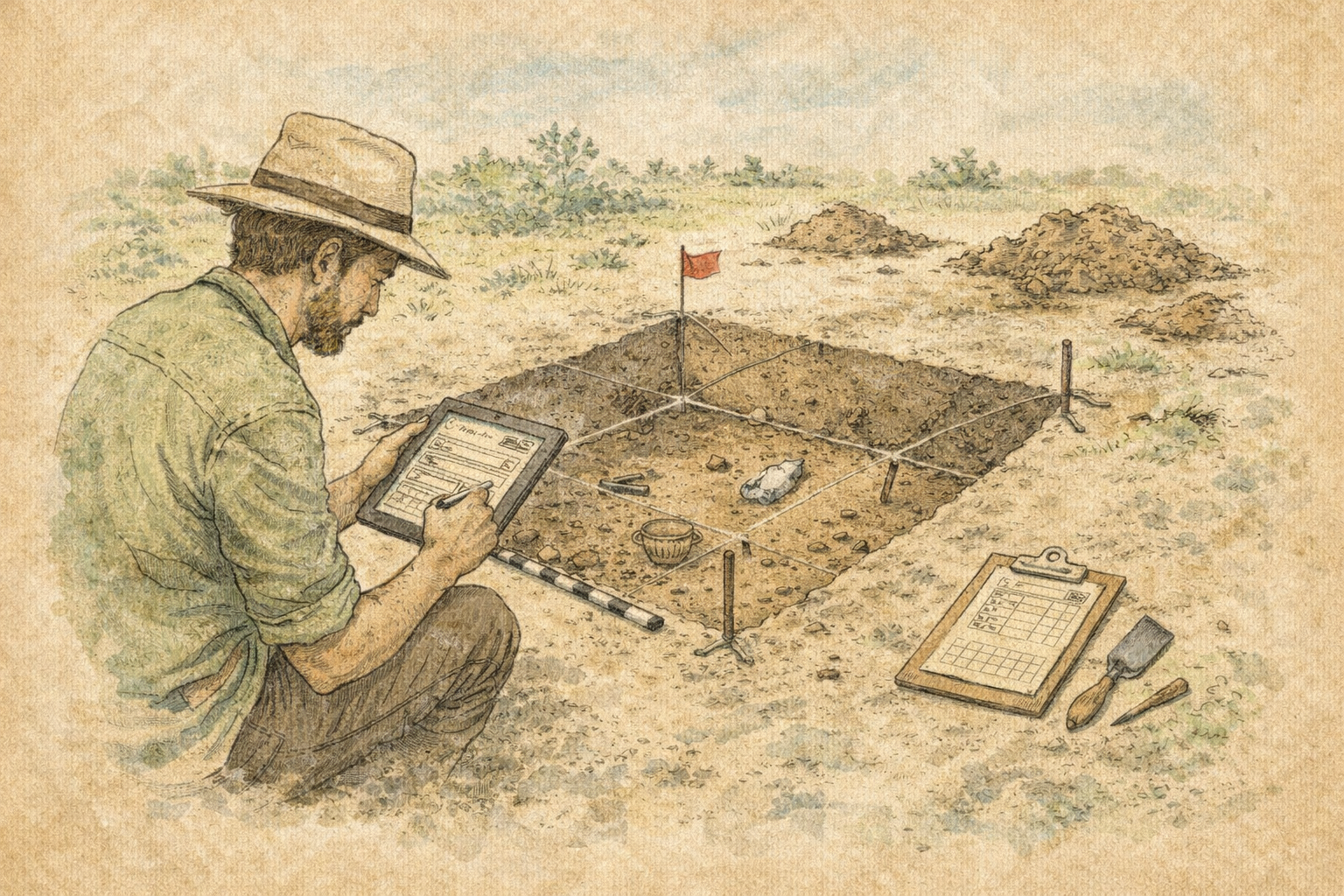
iDig was created by Bruce Hartzler, a marine archaeologist and programmer. Development began in 2011 at the Athenian Agora Excavations as a digital alternative to handwritten field notebooks.
The project was designed for real-world archaeology with an emphasis on accurate context, preservation, and long-term data integrity.
Teaching Archaeology Fundamentals
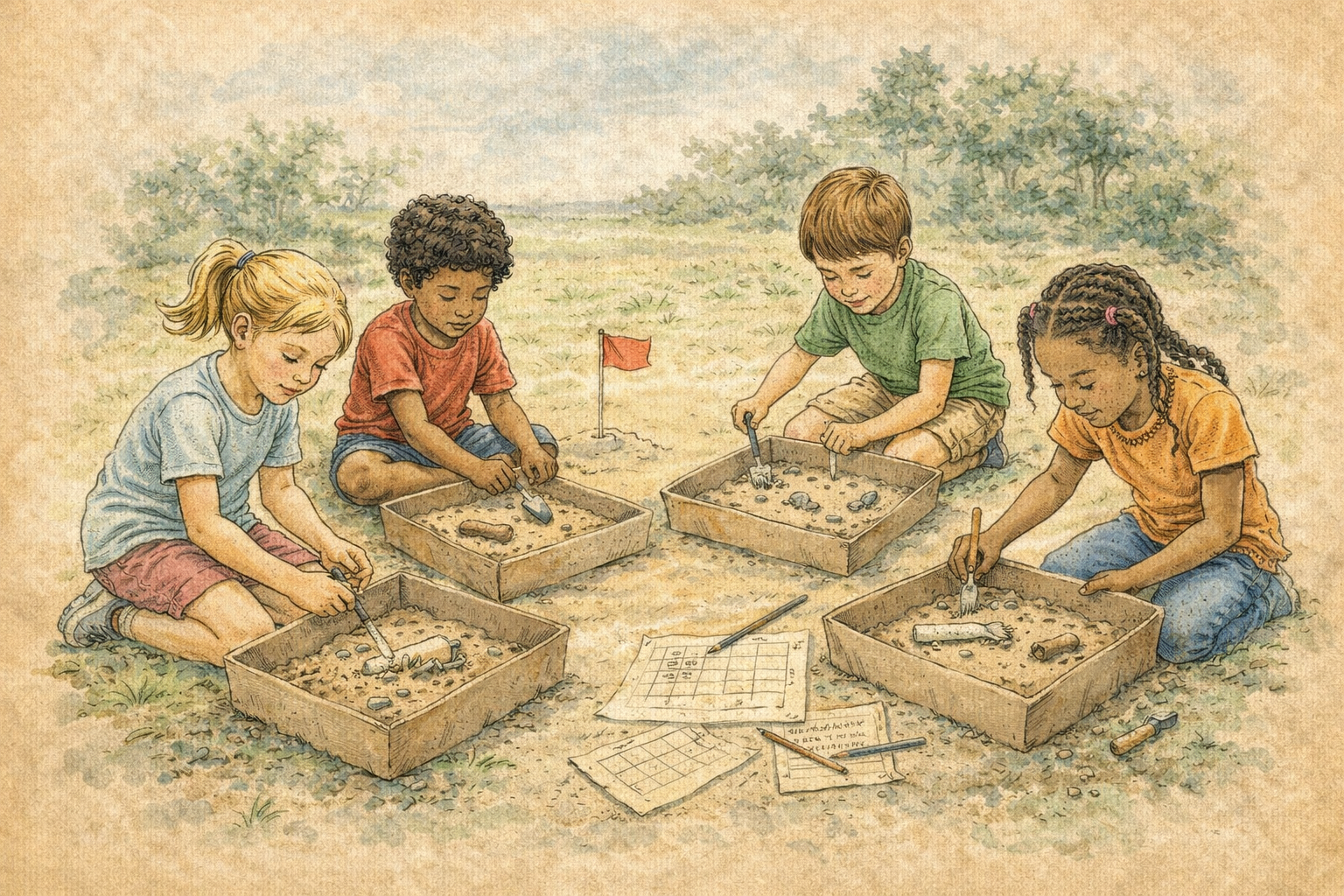
Hands-on learning helps students understand the basics of excavation, observation, and recording. Simulated dig kits can introduce younger learners to careful recovery methods, artifact identification, and the importance of preserving context.
These activities make archaeological methods visible without disturbing real cultural resources.
Get Involved and bring the past to the present.
Rodney V Franks