

Lower Trinity Basin Inquisitive Leaders
Think bigger. Look closer. Lead with curiosity.
These resources are for teenagers, young naturalists, and curious learners who want to explore real-world science, conservation, weather, ecology, archeology, and the scale of the universe.
Choose a path to investigate
Use these cards to track live environmental conditions, explore biodiversity, learn from Texas natural resource professionals, and connect local nature to big-picture science.

World Air Quality Index
Check real-time air pollution levels around the world and compare how air quality changes by city, region, weather, and season.
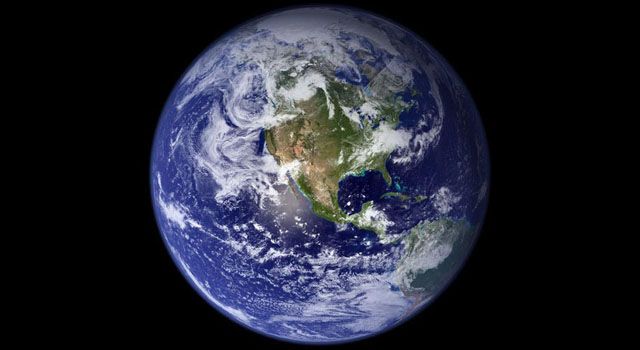
Earth Wind Map
Watch global wind patterns move in real time. Look for storm systems, jet streams, tropical activity, and the motion of Earth’s atmosphere.

Encyclopedia of Life
Research species from mammals and birds to fungi, insects, plants, and microscopic life. A good starting point for deeper nature questions.
NOAA Satellite Views
Track weather systems, Gulf activity, cloud movement, and hurricane-season patterns using current satellite views from NOAA.
Texas Parks & Wildlife Learning
Find classes, learning resources, and outdoor education opportunities connected to Texas wildlife, habitats, and conservation.
Texas Parks & Wildlife Podcasts
Listen to stories about Texas nature, conservation, wildlife, outdoor skills, and the people working to protect natural resources.

Texas Archeological Research Laboratory
Explore how archeology helps us understand the long human history of Texas, including discoveries connected to the Trinity River area.
Texas Master Naturalist
Learn what Master Naturalists do and how trained volunteers support education, outreach, restoration, and conservation across Texas.
Scale of the Universe
Zoom from the smallest known scales to the largest structures in space. Click objects to learn more and compare sizes across the visible and invisible world.
For inquisitive leaders: Use these resources as launch points. Compare sources, ask what the data means, connect what you see online to what you observe outdoors, and bring good questions back to your chapter, classroom, or field group.