


Big Thicket Adventures
Big Thicket National Preserve protects one of the most biologically diverse regions in Texas. This page is intended to encourage exploration, field study, photography, conservation, and naturalist education through the Lower Trinity Basin Chapter community.
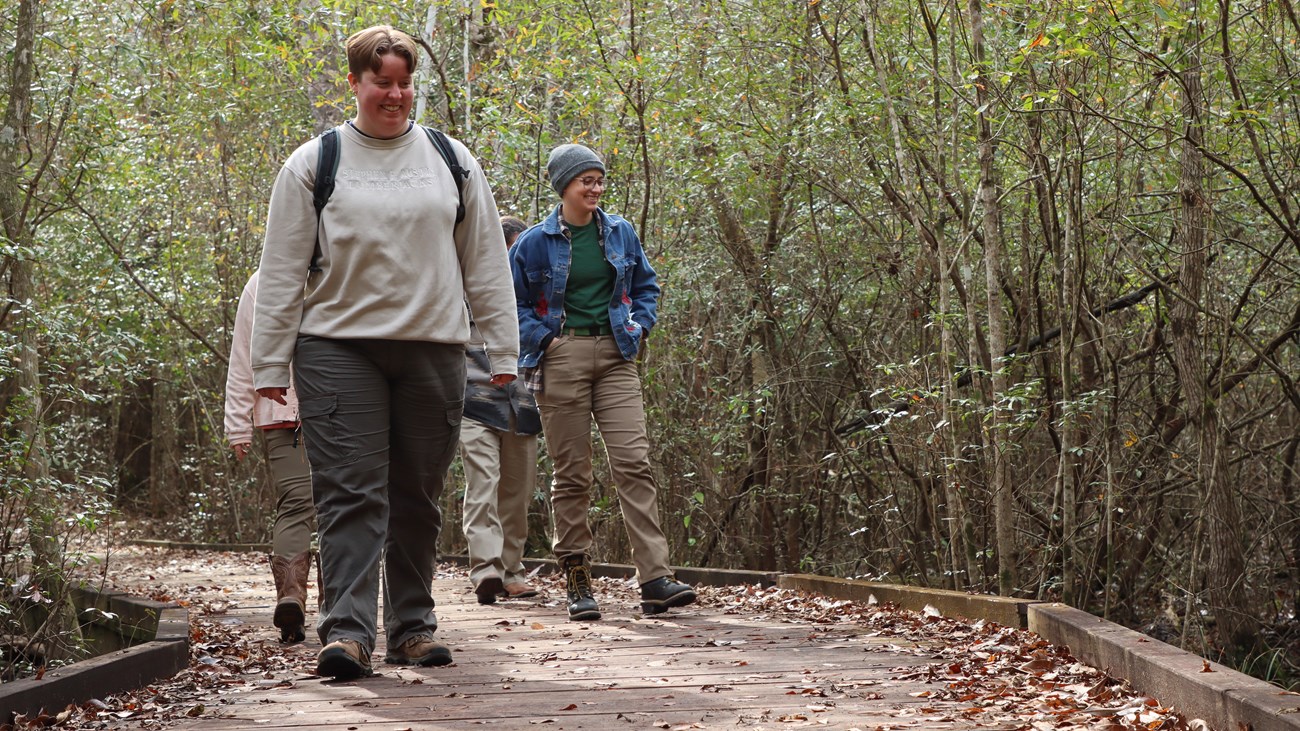
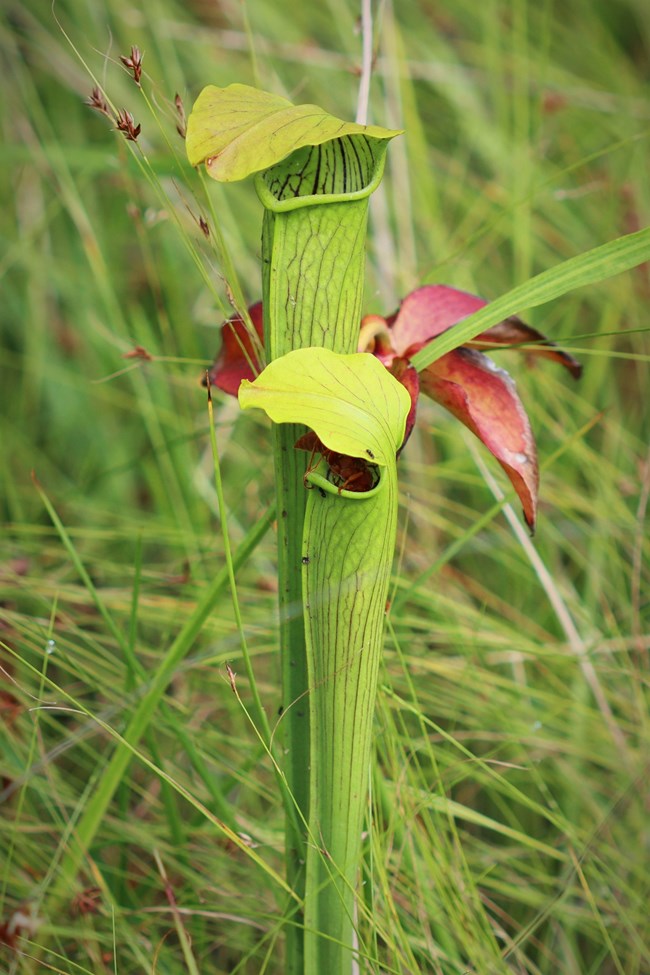
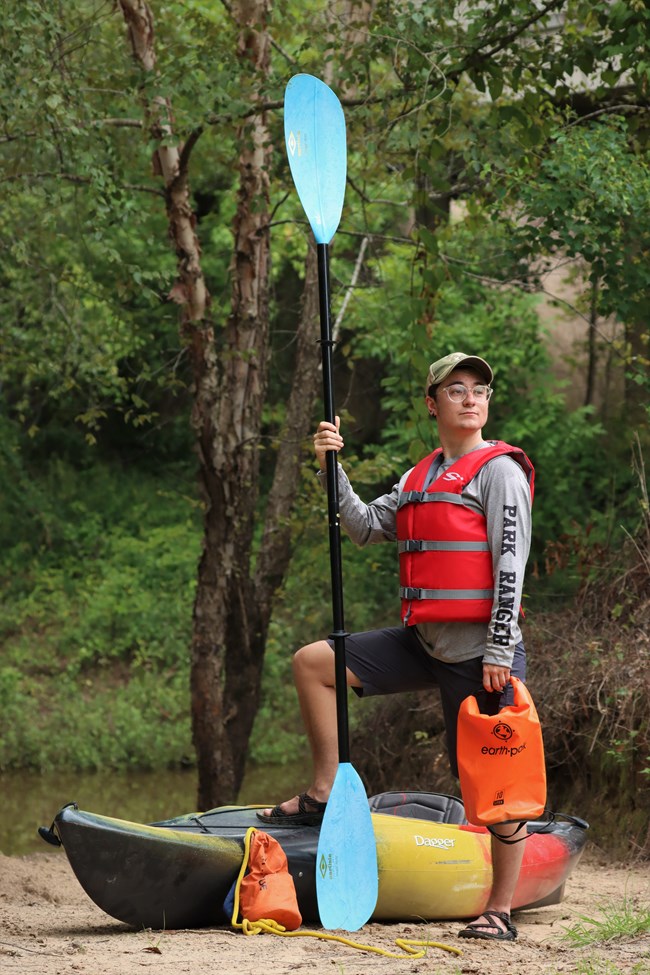
From longleaf pine forests and pitcher plant bogs to cypress-lined bayous and hardwood forests, the preserve offers opportunities for hiking, paddling, birding, botanizing, and seasonal field observations.
About Big Thicket National Preserve
Established in 1974, Big Thicket National Preserve was the first national preserve in the United States. The preserve protects a remarkable ecological transition zone where eastern hardwood forests, coastal plains, swamps, and prairie ecosystems overlap.
Popular Activities
- Hiking and trail exploration
- Birding and wildlife observation
- Kayaking and paddling
- Native plant photography
- Seasonal wildflower viewing
- Citizen science and field journaling
Visitor Amenities
- Trail maps and exhibits
- Ranger assistance
- Educational displays
- Picnic pavilion
- Passport cancellation stamp
- Accessible visitor center facilities
Scenes from the Preserve
Field Notes & Member Articles
Articles, observations, and field notes submitted by Texas Master Naturalists, guests, and park staff will be collected here to encourage exploration and learning.
- The Pitcher Plant Trail
- Following the Water Road: Paddling Pine Island Bayou
- Future member field notes and articles will be added here.
Upcoming Advanced Training
The following Advanced Training opportunities are pulled from the Lower Trinity Basin calendar, limited to events scheduled from today through the next six months, and filtered for Big Thicket-related events.
Accessibility & Inclusive Exploration
Big Thicket National Preserve offers accessible visitor center features and selected accessible trails. Visitors are encouraged to review trail conditions, seasonal weather, and accessibility information before traveling.
Additional accessibility information is available through the National Park Service accessibility page .
Digital & Research-Friendly Design
This page is being designed with semantic HTML, accessible navigation, descriptive links, readable structure, and machine-friendly organization to support both human visitors and future AI-assisted discovery tools.