

Joe Matthews Park
Native Demonstration Garden
Select a garden area, then tap a plant card to see its details.
Tap any plant card to learn more.
West Wing
East Wing
Arrowhead Bed
12 sq ft Circle
28 sq ft Circle
The Story Behind the Park
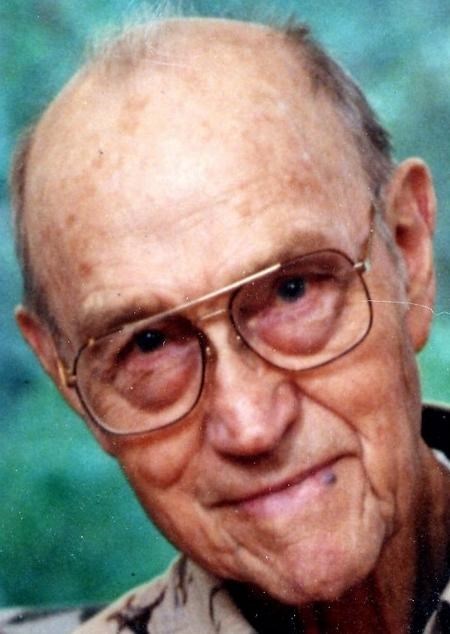
Who Was Joe Matthews?
If you have ever spent a Saturday afternoon at the community park on Oak Ridge Drive, you have probably seen the name Joe E. Matthews on the sign. His story mirrors the story of Mont Belvieu itself.
A Local Beginning
Joe was born in Mont Belvieu in 1913, when the area was still a bustling, gritty oil-field town. A bright student, he graduated as valedictorian of Robert E. Lee High School in Baytown before attending Rice University. What stands out most is what he chose to do with that education: he came home.
Building a Community
Old town records show that his fingerprints were on much of the community’s early growth. He spent 17 years on the Barbers Hill School Board, serving as president for nine of them. He also served on the City Council and helped manage the local water district while the town was building modern infrastructure. It was steady, foundational service that helped a small town grow safely and sustainably.
His lasting memorial is not simply a name on a sign, but a living green space where people can pause, connect with nature, and enjoy the community he helped build.
A Love for Nature
Joe was also a passionate outdoorsman and conservationist who loved the Texas landscape. That makes it fitting that his memorial is not a statue or a plaque on a building, but a park shaped by trees, trails, water, and wildlife.
A Living Legacy
Walking trails, a floating kayak dock, and the butterfly garden continue the spirit of his work. They create a place where people can enjoy nature and the community he spent decades helping to build. Joe Matthews died in 2009 at the age of 95, but every trail walk, canoe launch, and garden visit keeps that legacy of community stewardship alive.
A Living Record
Garden History
The Lower Trinity Basin Chapter of the Texas Master Naturalist Program, the Lower Trinity Valley Bird Club, and the City of Mont Belvieu worked together to bring the Joe Matthews Park Native Demonstration Gardens to life. This page documents the people, planting, stewardship, and continuing growth of the gardens.
August 1, 2026
A Day of Community
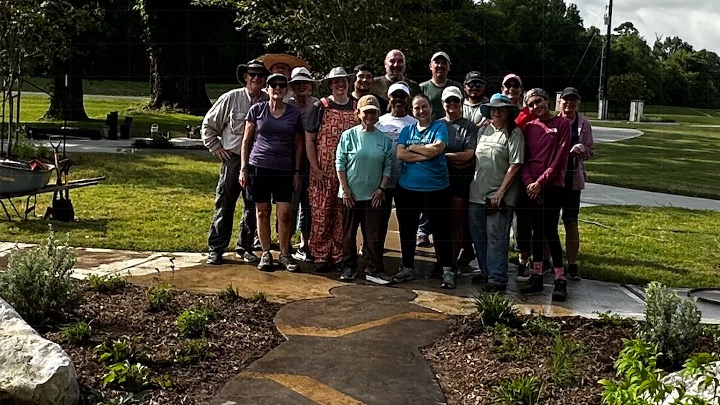
Volunteers gathered at Joe Matthews Park to turn a carefully prepared planting plan into a living educational landscape. Working together, they prepared the beds, placed native and adapted plants, installed garden features, and created habitat that will support pollinators, birds, and other wildlife as the gardens mature.
Project Leadership and Partners
The garden reflects the combined work of local volunteers, conservation organizations, and municipal partners committed to native plants, environmental education, water conservation, and wildlife habitat.
From Plan to Landscape
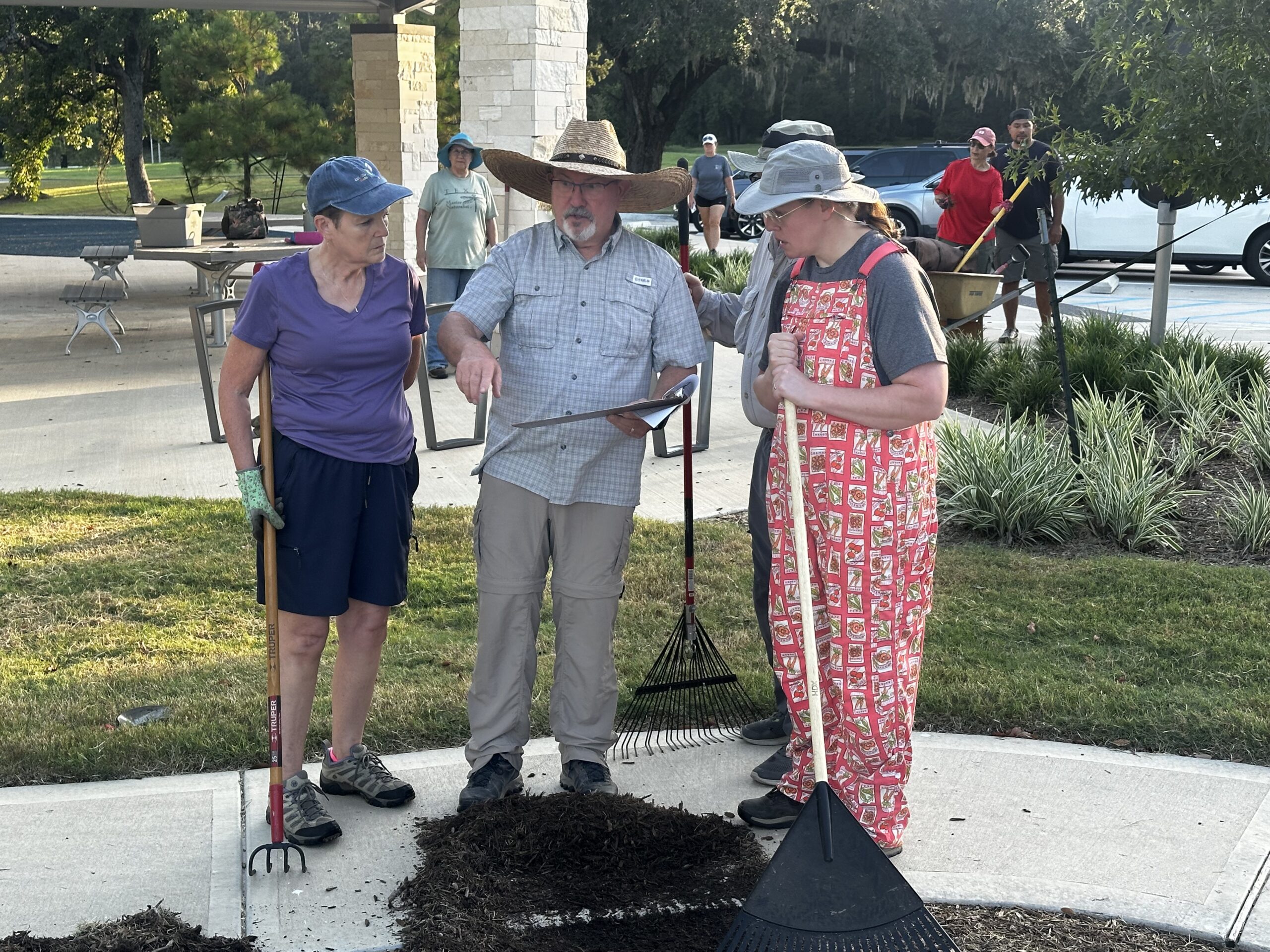
Gary Holmes coordinated the garden project and helped guide the work from planning through installation. The finished beds reflect months of plant selection, site review, layout design, and collaboration among the project partners.
Planting Day — August 1, 2026
The photographs below follow the project from the first gathering of the crew through the completed garden and final group photograph.
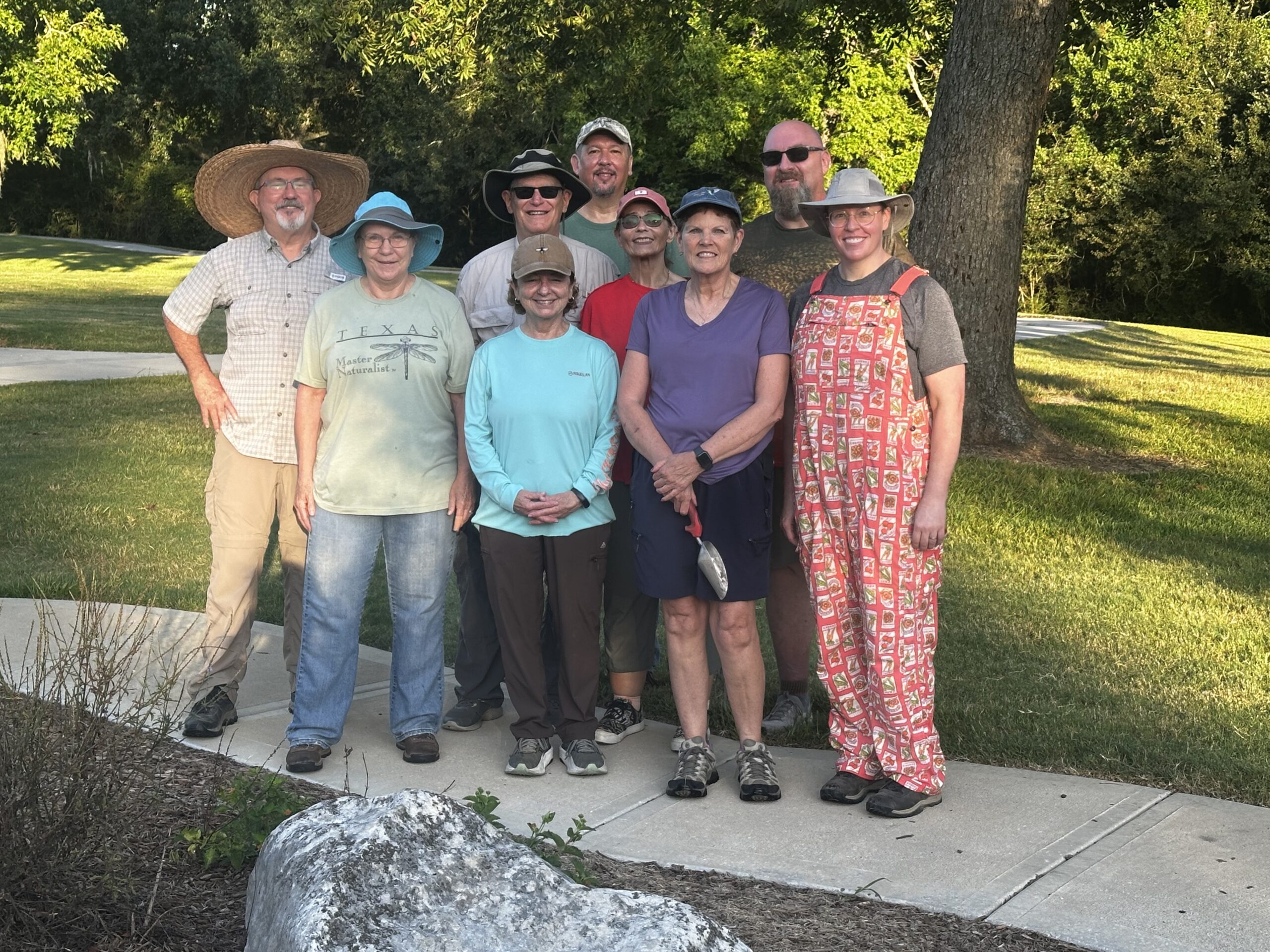
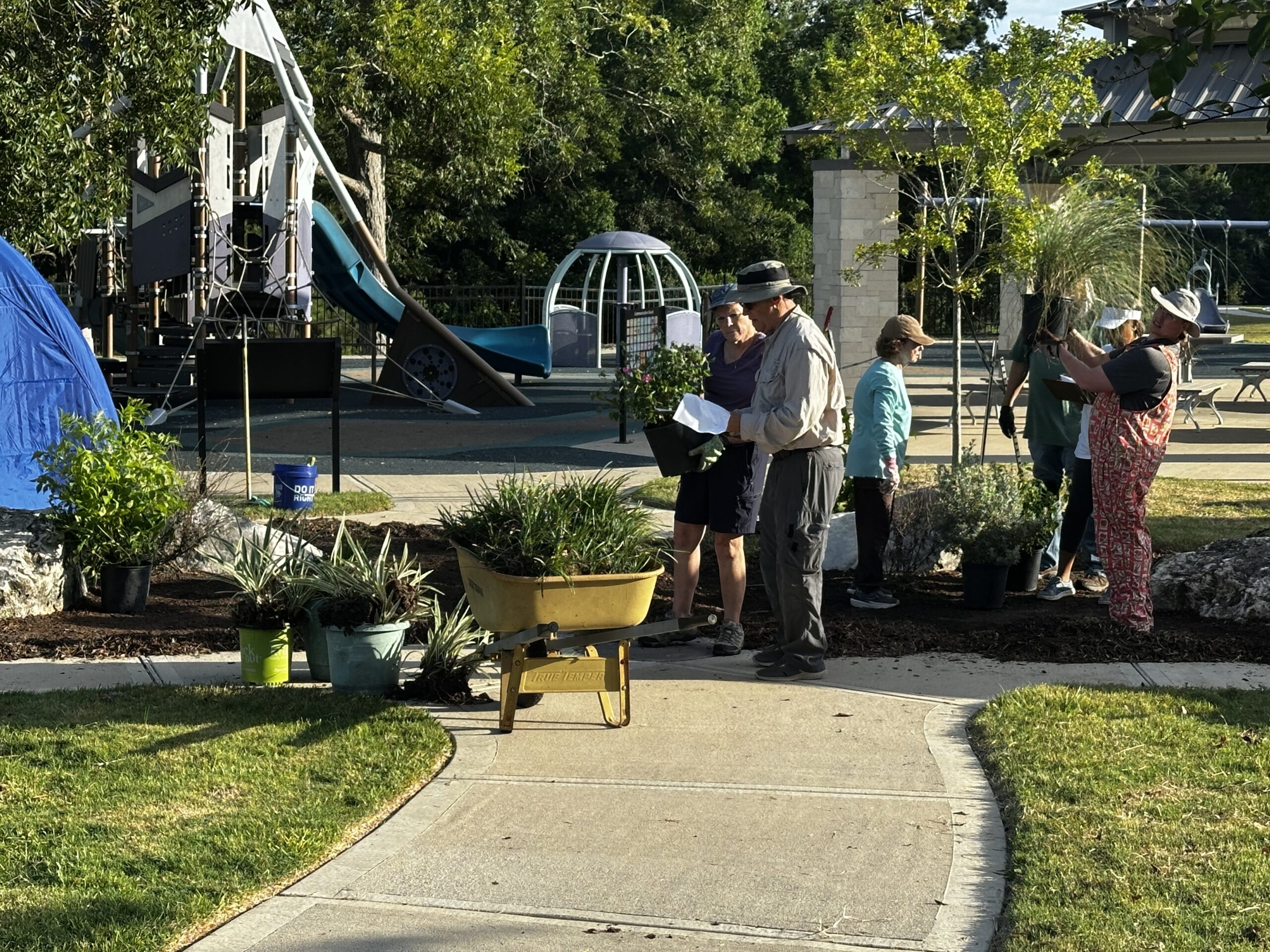

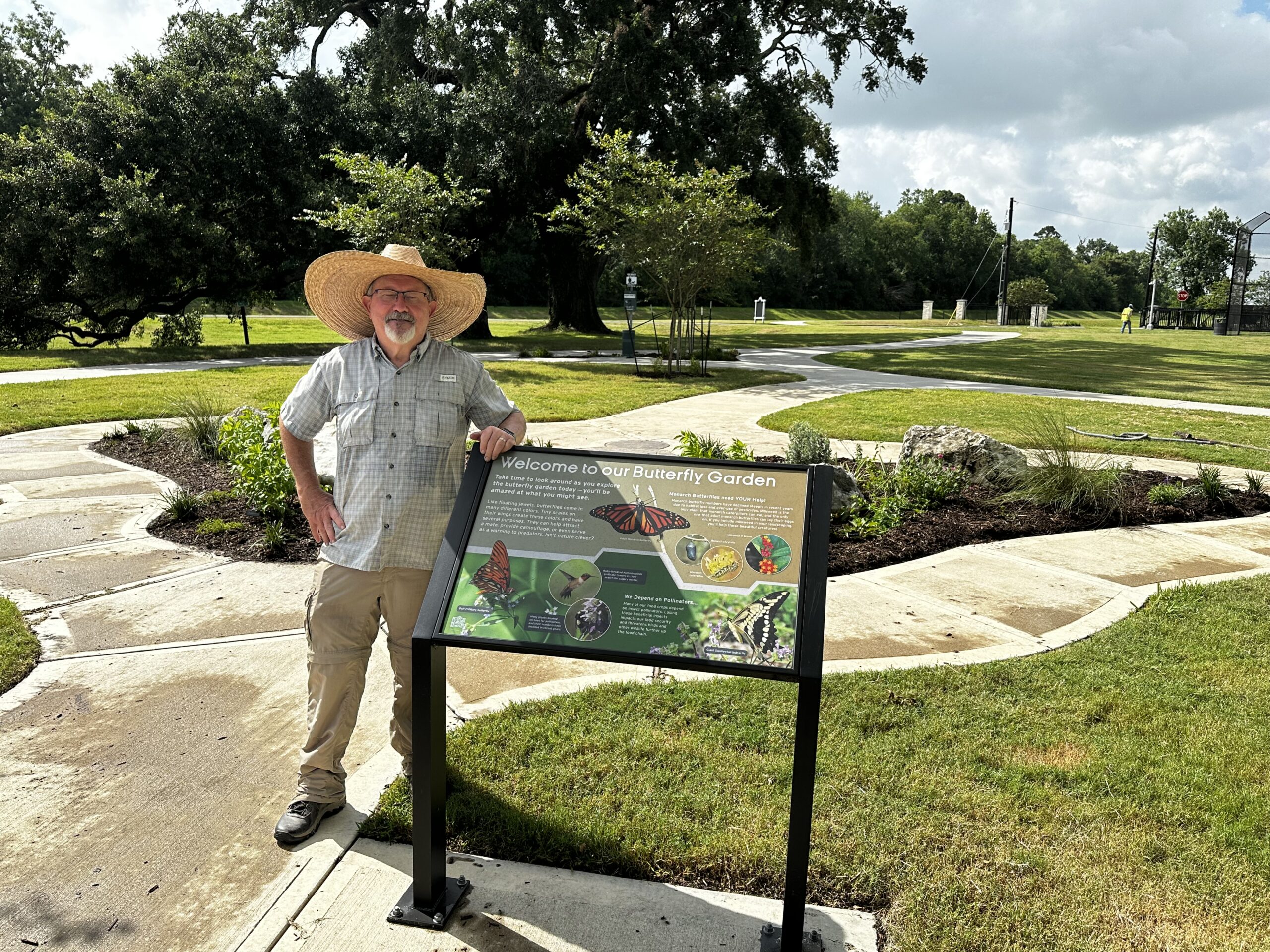
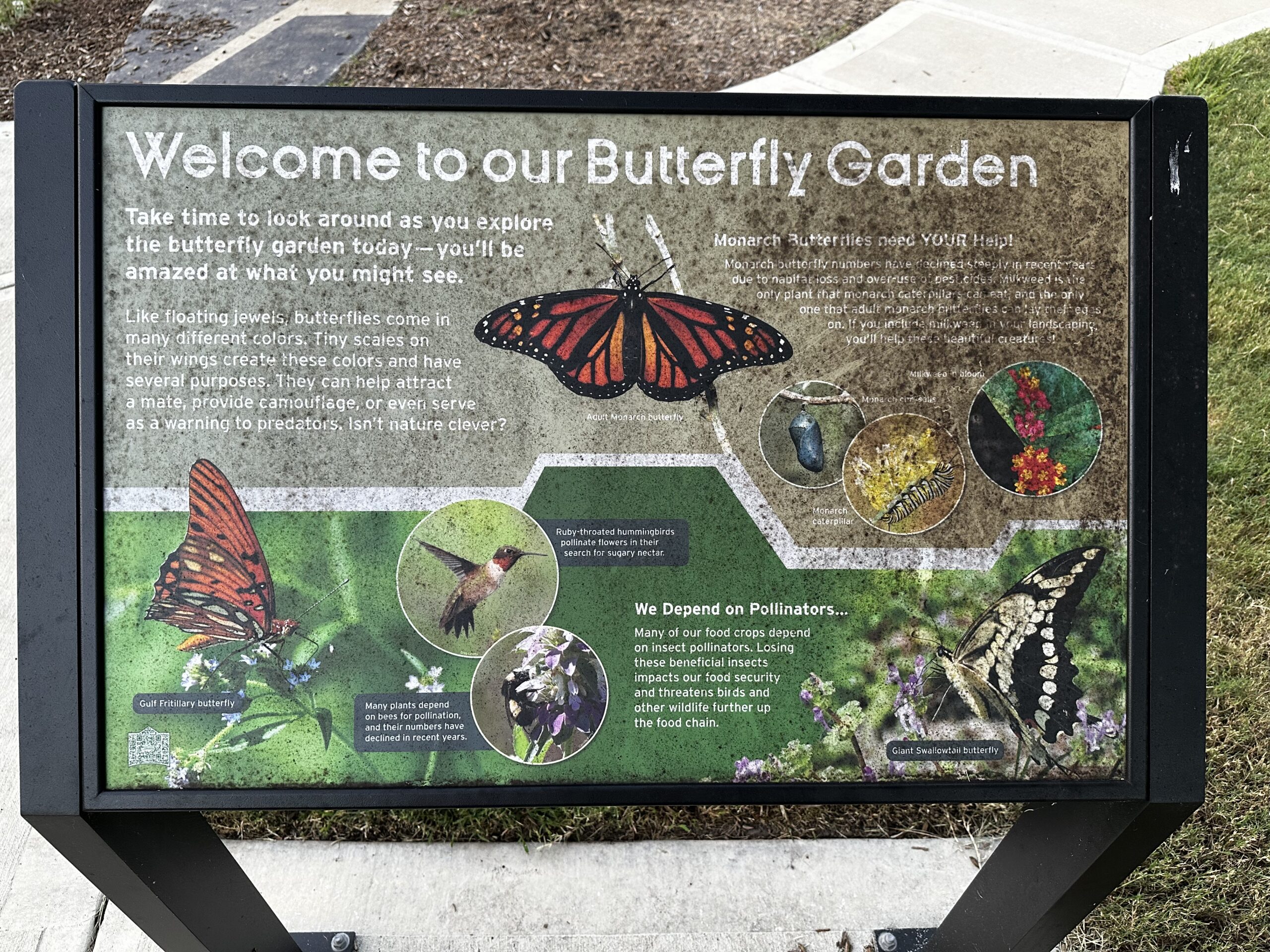
Before Installation
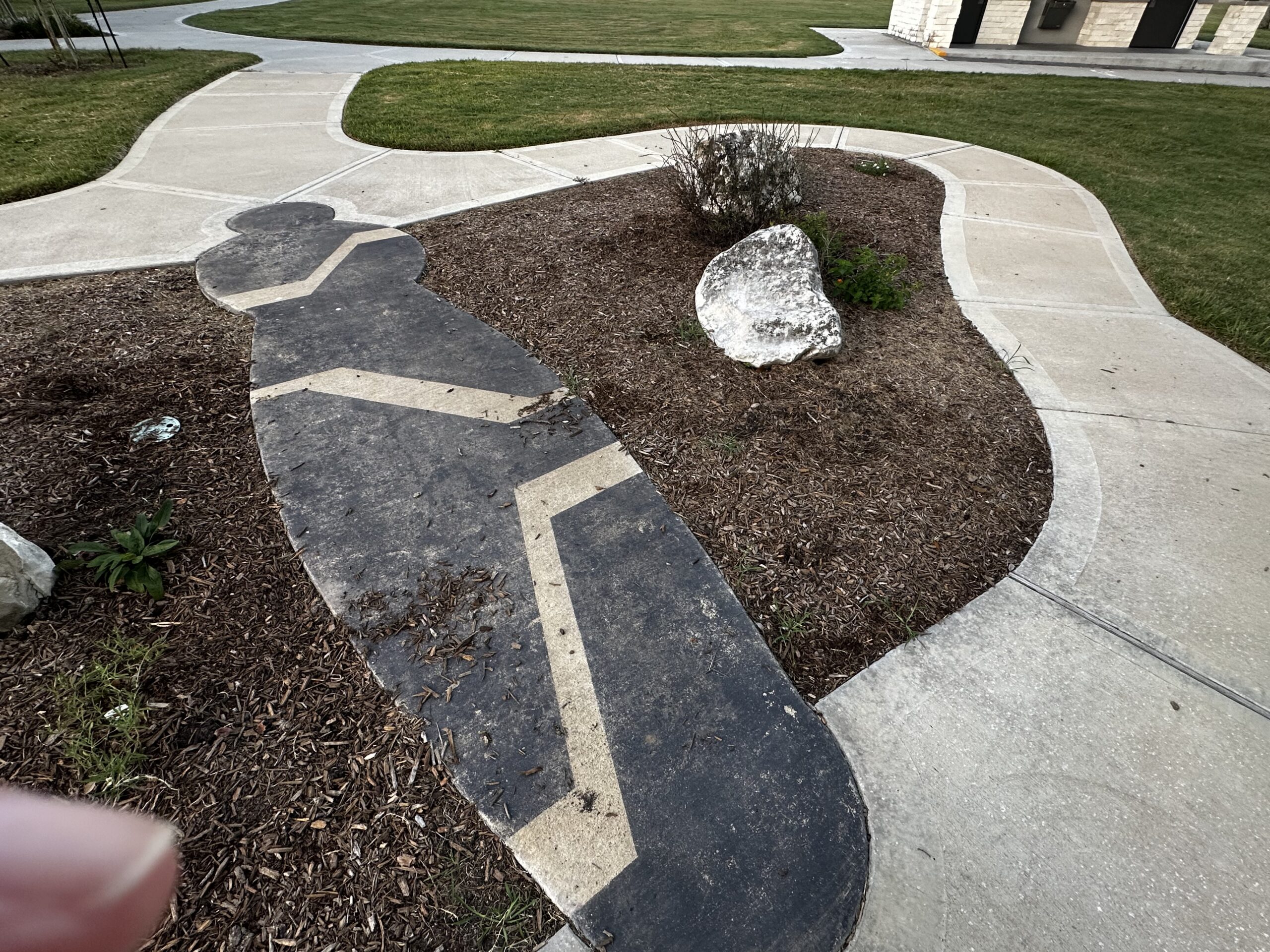
These photographs preserve the garden areas before planting. They will become especially valuable as the plants mature and future photographs show how dramatically the landscape has changed.


Project Timeline
Designing the Demonstration Gardens
Partners selected native and adapted plants, reviewed the site, and created the Butterfly Garden, Arrowhead Bed, and Circular Beds planting plans.
Planting Day
Volunteers installed the plants and brought the garden design into the landscape.
The Gardens Are Established
The crew marked the completion of the installation and the beginning of the garden’s continuing story.
Growth, Maintenance, and Wildlife
Future entries will document first blooms, pollinator sightings, maintenance days, seasonal changes, and continuing stewardship.
Wildlife Already Arriving
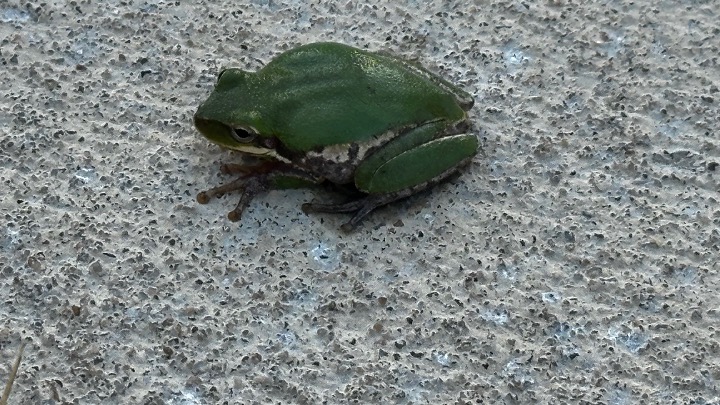
This tree frog was among the wildlife documented around the butterfly gardens. Native landscapes provide shelter, food, and resting places for far more than butterflies alone.
Future updates will record butterflies, bees, birds, dragonflies, amphibians, and other visitors as the gardens mature.
At the Garden
An interpretive sign at Joe Matthews Park introduces the native plant landscape garden and directs visitors to learn more online. The sign explains how native perennials conserve water, support wildlife, and provide durable choices for home landscapes.
A direct City of Mont Belvieu link can be added here once the QR-code destination is confirmed.
A Community Beyond Our Garden
Most plant photographs in this guide were contributed by members of the iNaturalist community. We are grateful to the photographers who generously share their observations, helping people around the world learn about native plants, wildlife, and biodiversity.
Their willingness to make these photographs available for education helped make this interactive garden guide possible. Individual photographer names remain recorded in the project spreadsheet and can be added to a dedicated credits list.
Growing Through Time
This page will continue to grow with the garden. Future entries can document first blooms, seasonal changes, volunteer maintenance days, pollinator and bird observations, weather challenges, plant replacements, and future improvements to the landscape.
Visit the Gardens
The native demonstration gardens are located at Joe Matthews Park in Mont Belvieu, Texas. Visitors are encouraged to enjoy the landscape while helping protect the habitat for butterflies, bees, birds, amphibians, and other wildlife.
Bring Native Plants Home
Native Landscaping
The Joe Matthews Native Plant Landscape Garden demonstrates how native species can be used in home landscapes. Volunteers from the Lower Trinity Basin Chapter of the Texas Master Naturalist Program and the Lower Trinity Valley Bird Club designed and installed the garden, and they continue to maintain and improve it.
Why Choose Native Perennials?
Native perennials offer sustainable, low-maintenance landscaping that can save money, conserve water, and restore wildlife habitat. Adapted to local climate and soil, they can thrive for years with less upkeep than many exotic plants.
Minimal Maintenance
Established perennials need less replanting, pruning, and soil adjustment.
Water Conservation
Deep roots and regional adaptation reduce or may eliminate summer irrigation once plants are established.
Fewer Harsh Chemicals
Local resistance to pests and disease can reduce dependence on synthetic fertilizers and pesticides.
Erosion Control
Fibrous roots hold soil, stabilize banks, and improve rainwater infiltration.
Habitat and Wildlife Benefits
Essential Food Sources
Native plants provide nectar, seeds, pollen, fruit, and insects for local bees, birds, butterflies, and other wildlife.
Caterpillar Host Plants
Many native perennials support native insects. Milkweed, for example, is essential for monarch reproduction.
Biodiversity Support
Diverse native gardens create more resilient habitat for soil organisms, insects, birds, and other wildlife.
Seasonal Beauty
Native plants add regional character through changing textures, blooms, seed heads, and fall color.
Cost and Long-Term Value
Plants That Multiply
Healthy perennials often spread and can be divided into additional plants every two or three years.
Durable Landscapes
Well-chosen native plants can provide years of beauty while reducing replacement, irrigation, and chemical costs.
Build a Bird-Friendly Garden
A bird-friendly garden gives birds the food, shelter, water, and safety they need to survive and use the landscape throughout the year.
Native Food
Choose plants that provide seeds, berries, nectar, and insects.
Protective Cover
Use shrubs, grasses, and small trees for shelter from predators and weather.
Layered Habitat
Combine low flowers and grasses, middle shrubs, and taller trees.
Food Through the Seasons
Select plants that produce berries, seeds, or insect food at different times.
Clean Water
Provide a shallow birdbath or small water feature and keep it clean.
Safe Nesting Places
Include dense shrubs, native trees, or appropriate nest boxes.
Limit Chemicals
Birds depend on insects and healthy habitat, so minimize pesticides and herbicides.
Reduce Hazards
Keep cats away from the garden and take steps to reduce window collisions.
Regional Planting Resources
Use these regional tools to choose native plants suited to local conditions and beneficial to pollinators and birds.
Plants not yet assigned to a garden section
Open Seven Days a week beginning at 7:30 AM CT until 9:00 PM CT